


‘Becoming Chinese’ memes reflect a world shaped by China’s ascent
The memes are really about how deeply global digital life is embedded in Chinese-built systems – and how comfortable young people are with that
Originally published by South China Morning Post on 13th February 2026
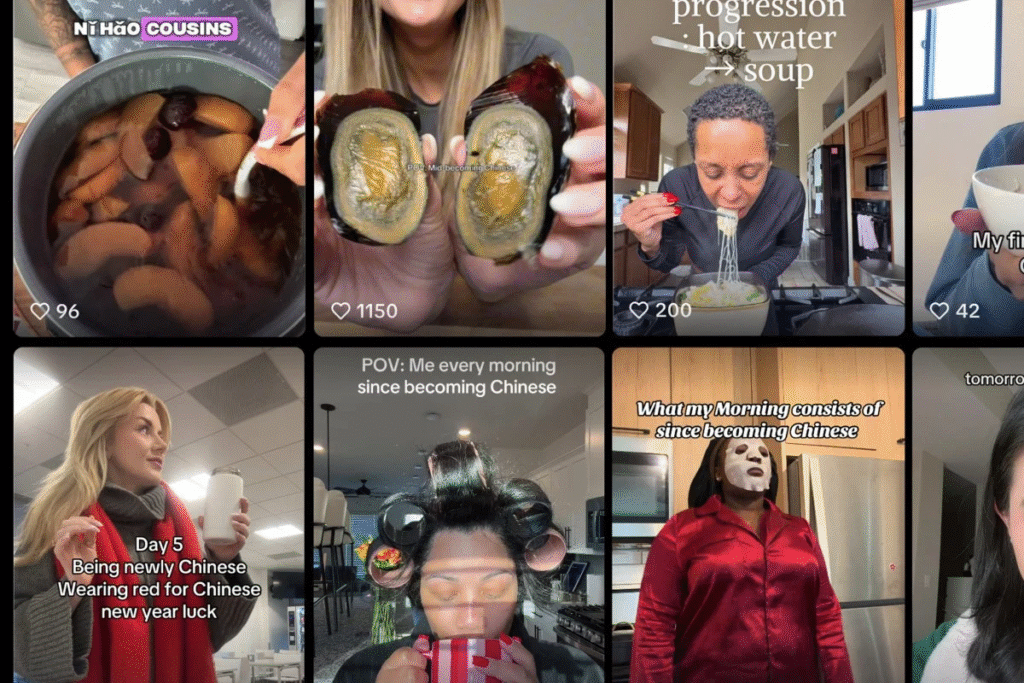
Across social media, a curious phrase has been circulating: “You met me at a very Chinese time in my life.” It appears under videos of hotpot dinners, DHGate hauls, Chinese streetwear fits and users joking about switching their phone interfaces into Chinese “for the aesthetic”.
It has even spawned an ecosystem of spin-offs: “Chinamaxxing”, “you will turn Chinese tomorrow” and countless posts where people half-joke about becoming “more Chinese” by the day.
But beneath the humour of what looks like yet another disposable internet trend sits something more revealing. The meme is not really about wanting to be Chinese. It is about how deeply global digital life is embedded in Chinese-built systems, and how comfortable many younger users are becoming with that.
The idea of the meme predates the internet. The term was coined in 1976 by evolutionary biologist Richard Dawkins in The Selfish Gene to describe how ideas replicate, mutate and spread through societies much like genes. Online meme culture is an accelerated version of this. Digital platforms compress what once took years into days, turning humour into a low-risk testing ground for emerging identities, anxieties and shifts in power.
Many memes begin as in-jokes within online subcultures before spreading as shared language for collective unease or recognition. In this sense, memes often act as early warning systems. They surface changes in power, identity and belonging before people are ready to address them directly. “A very Chinese time” functions less as cultural role-play and more as a form of subconscious recognition.
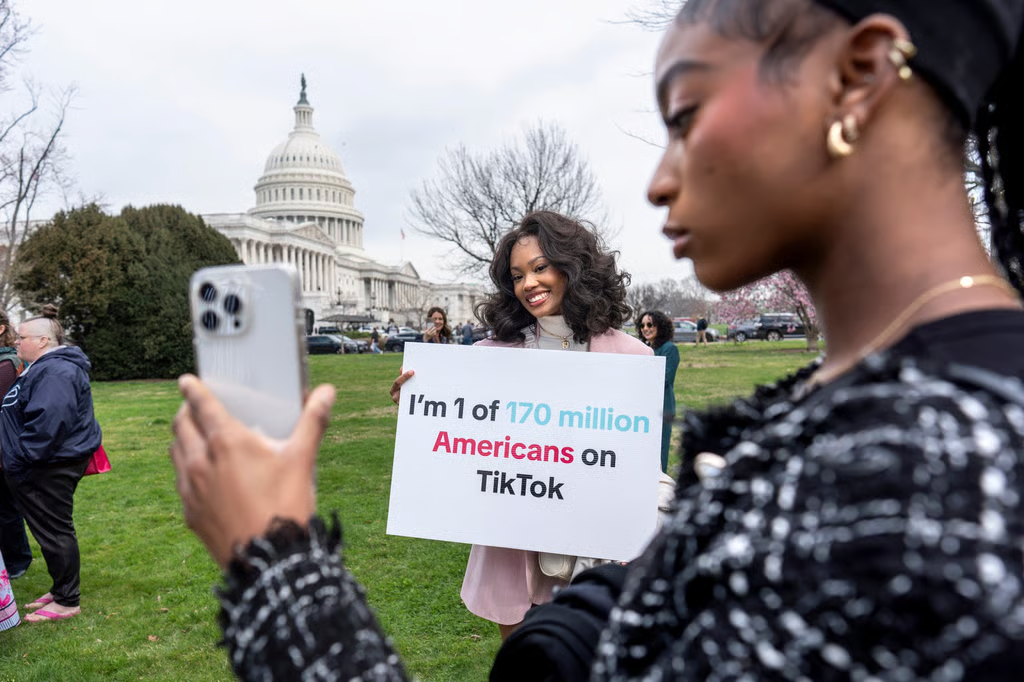
Users joke about becoming Chinese because their daily lives are increasingly shaped by Chinese platforms, products and infrastructure. It’s not just TikTok. RedNote influences global beauty and lifestyle trends. Shein and Temu have rewritten expectations around price and delivery speed. DJI dominates the global drone market. BYD rivals, even surpasses, Tesla.
For decades, “made in China” served as shorthand for cheap, low-quality and disposable. Many Asian diaspora communities internalised that stigma, distancing themselves from Chinese goods, accents and aesthetics to appear more “global”, often meaning more Western.
What is striking about this moment is the reversal. Younger users now openly showcase Chinese brands, seek factory-direct links and treat fluency in Chinese platforms as a form of digital literacy. Instead of obscuring origin, they foreground it.
In Singapore, for instance, that perception is shifting quickly: younger consumers are increasingly drawn to Chinese brands for their innovation, design and value for money, citing product quality that holds its own against Western alternatives. In some online spaces, “made in China” is now increasingly aspirational.
Prestige, historically, follows economic and technological confidence. As China’s consumer tech influence becomes harder to ignore, younger generations appear to be recalibrating what they consider credible, modern and desirable.
Geography and race shape how the trend is perceived. In cities like New York or London, “a very Chinese time” often carries an element of novelty, as if China has only recently entered the cultural consciousness.
Among Southeast Asian creators, responses to the meme tend to be amused but ambivalent. The humour lands, but so does the discomfort of seeing lived realities reframed as a passing aesthetic. What is presented as playful self-awareness can also flatten complex histories into something easily consumable.
For diaspora communities, the joke cuts deeper. Cultural identity has long come with social and racial costs. Accents were mocked, goods dismissed as inferior and proximity to “Chineseness” treated as something to be managed or minimised, especially at the height of the Covid-19 pandemic. There is a familiar tension in watching elements of that identity become fashionable only when detached from stigma or political consequence.
This is where the meme edges into a quieter form of racism. “Becoming Chinese” is framed as a temporary and ironic posture rather than a reality people have historically been marked by, marginalised for or pressured to assimilate away from. It becomes funny when the social costs are optional.
What ultimately makes the meme significant is not the joke itself, but what it reveals about global power. For much of the past century, technological and cultural influence flowed from the West. American platforms, Silicon Valley infrastructure and European brands shaped global norms. Others adapted.
Increasingly, that direction is reversing. Chinese platforms, products and systems now shape global behaviour, often without Western mediation. This shift differs from earlier waves of East Asian cultural influence such as K-pop or Japanese anime, which were packaged exports designed for global appeal.
People are engaging with Chinese platforms not because of a coordinated soft power campaign. They are doing so because these systems are cheaper, faster, smoother and embedded in everyday life. Power follows usage, not persuasion. The meme gives language to that experience. What looks like aesthetic play is, at its core, about platform dominance and infrastructural reliance.
Humour becomes a way to process that reality without fully confronting it. Joking about “becoming Chinese” is easier than acknowledging how dependent daily digital life is on Chinese ecosystems.
The meme will fade, as internet trends do. But the conditions that produced it will not. Chinese manufacturing dominance is not receding. Chinese platforms continue to expand globally. Chinese design language is becoming more visible across consumer tech.
People are not “becoming Chinese”. But the world they inhabit is increasingly shaped by Chinese-built systems, standards and infrastructure, whether they consciously acknowledge it or not.
That is the real story hiding behind the joke.
P.S. @theinkwellcollective has the digital tips your feed needs.
